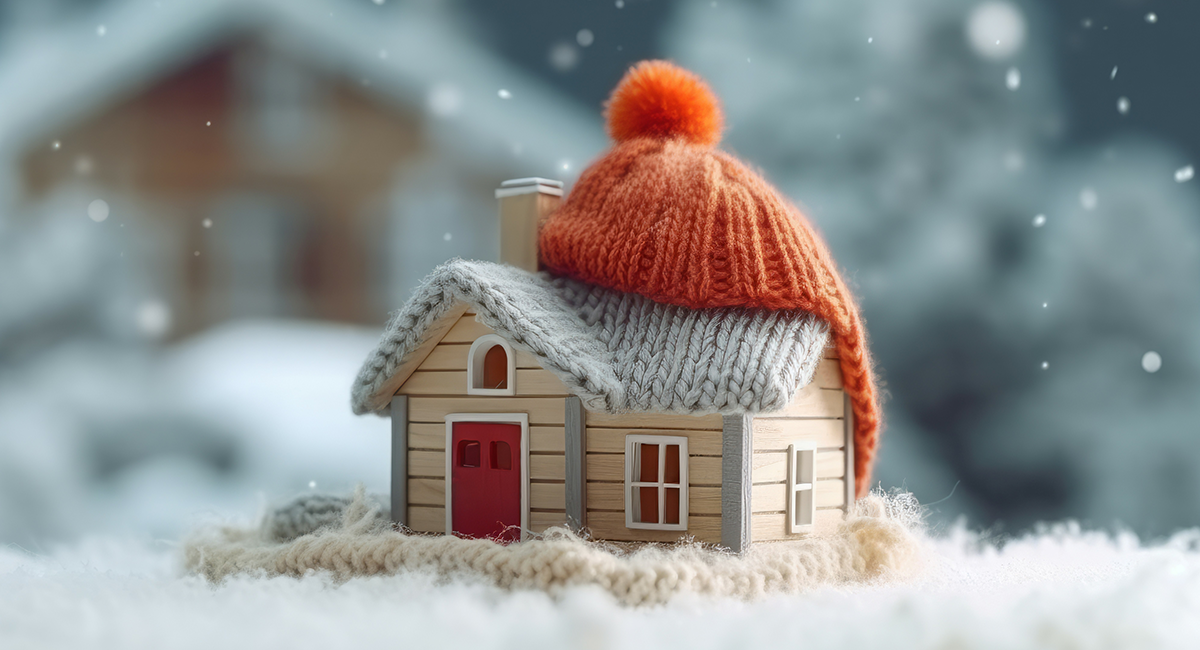
As the days grow shorter and temperatures fall, getting your home ready for the colder months is crucial. Winterizing your living space helps maintain warmth and comfort while cutting down energy costs and protecting your property from damage. To help you prepare effectively without overspending, Ocean State Job Lot presents this easy guide to essential home winterization.
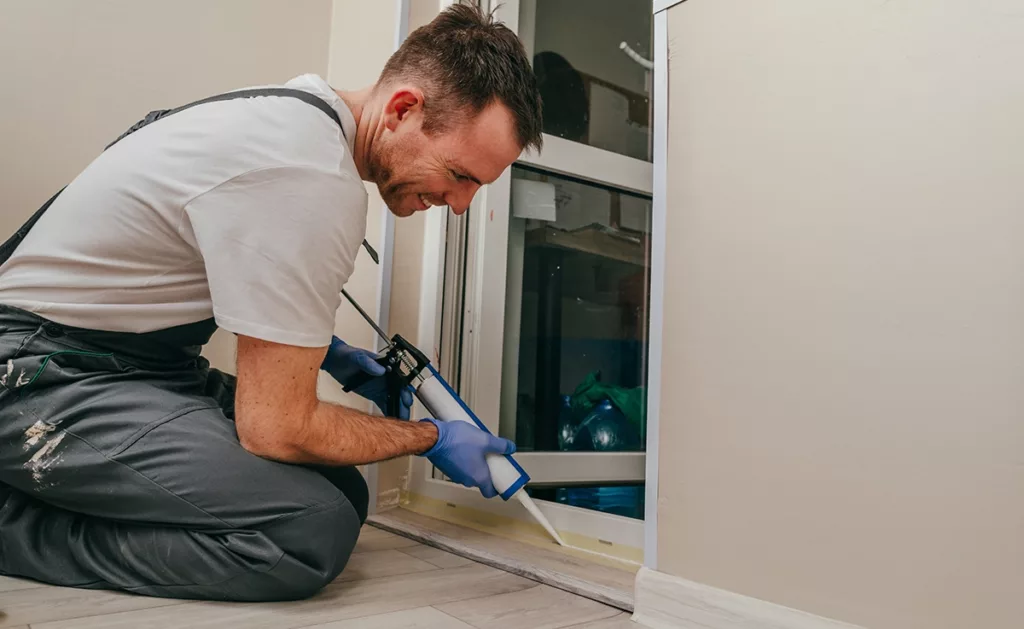
Inspect and Seal Windows and Doors
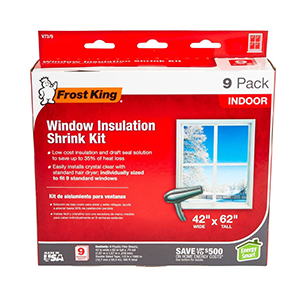
To effectively winterize your home, start by checking your doors and windows for drafts, cracks, or gaps. You can detect air leaks simply by placing your hand near these openings to feel for cool breezes. Because drafts let warm air escape and force your heating system to work harder—driving up utility bills—it is essential to seal any openings with caulk or weatherproofing products. Placing draft stoppers along the bottom of entry doors offers additional protection against chilly air.
Protect Pipes and Plumbing
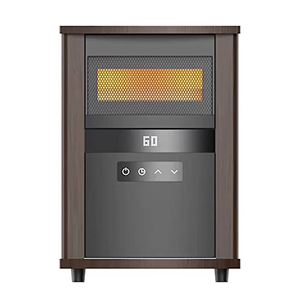
To avoid pipe bursts that bring expensive water damage during winter, start by insulating exposed plumbing in unheated spaces such as attics, basements, and exterior walls. Unhook and drain all outdoor hoses, and shield spigots with insulated faucet covers. When temperatures plunge, let faucets drip slightly to keep water moving and ward off freezing. Should a pipe freeze, keep the supply line open and safely warm the frozen section using an electric blanket, hair dryer, or space heater until the flow is restored. Always locate your emergency pressure release switch or valve in advance, and make sure you know how to shut off the main water supply if leaving your home unattended during cold spells.
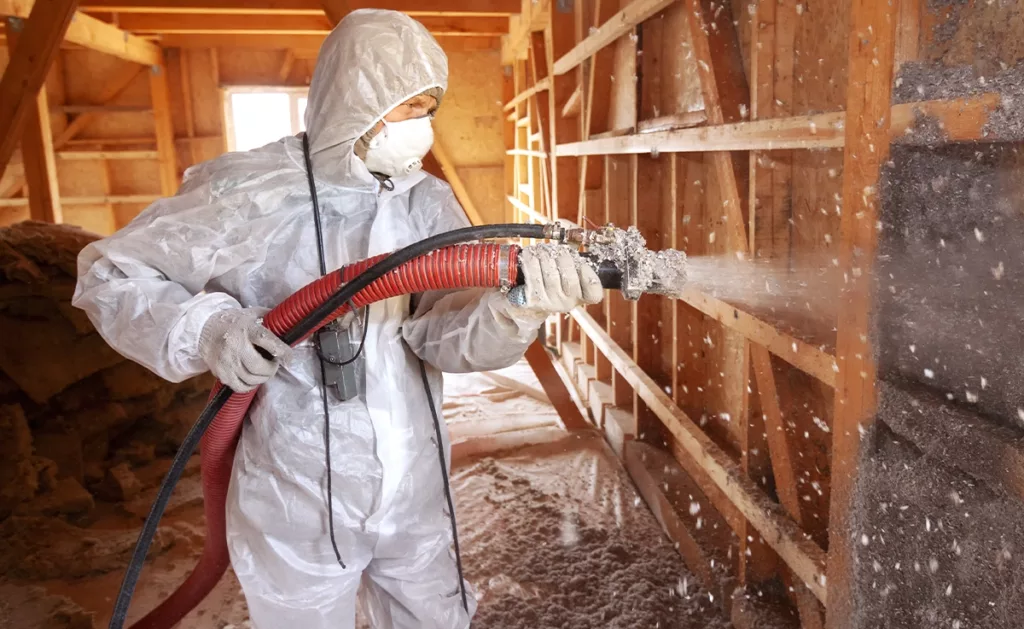
Insulate Your House
Ensuring proper insulation is one of the most effective ways to keep your home warm and energy-efficient throughout the winter. Start your winterizing checklist by inspecting existing insulation, with particular focus on vulnerable spots like attics, basements, and crawl spaces. Upgrading or installing additional insulation dramatically lowers heat loss, improves overall indoor comfort, and relieves pressure on your heating system. You can also hang thermal curtains to create an extra layer of defense against cold window drafts.
Check Heating System
To make sure your home stays warm through the colder months, taking care of your heating system early is essential. Start by scheduling a routine checkup and tune-up for your furnace or primary heating unit. Be sure to swap out or clean air filters, which helps maintain high heating efficiency and keep indoor air fresh. For homes with a wood stove or fireplace, arrange for a professional chimney sweep and test the batteries in your carbon monoxide detectors to safeguard your indoor air and fire safety. Once everything is inspected and clear, gather a healthy supply of firewood so you can relax by a cozy fire all season long!
Clean Your Gutters
Taking care of your roof and gutters is a crucial step in preparing your home for winter. Start by clearing out leaves and debris from your gutters and downspouts to allow proper water flow; this prevents foundation damage and stops ice buildup from tearing gutters away from the roofline. Adding a gutter guard or fence can also help block debris before it builds up. Next, check your roof for any broken, loose, or missing shingles, fixing them promptly to safeguard against leaks and water damage. Finally, trim back any tree branches hanging near the roof so they don’t snap and cause damage under the weight of heavy ice and snow.
Check for Cracks and Drafts
Start by examining your home’s exterior for gaps, cracks, or openings that may let chilly air enter. Key spots prone to warmth escaping include windows, doors, attics, basements, mail chutes, and air conditioning units. To plug these openings, apply expanding foam or exterior caulk, focusing especially on entry points for vents, wires, and piping. Additionally, inspect the foundation for water damage or cracking. Effectively closing these gaps keeps warmth inside while also deterring unwanted pests from venturing indoors.
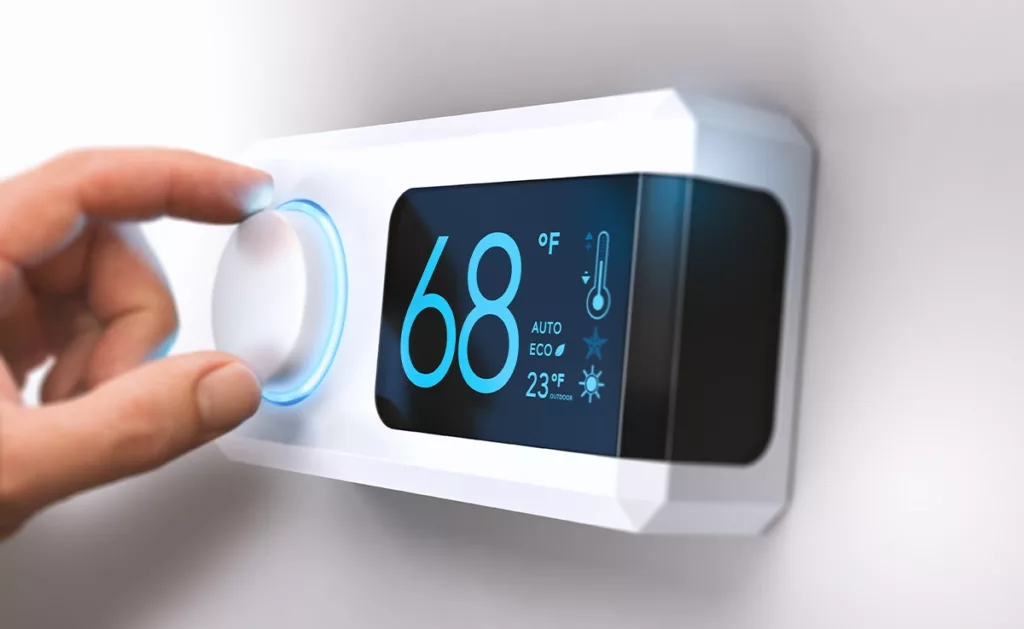
Smart Thermostat
Because heating accounts for the largest portion of winter expenses, minimizing energy use should be a primary goal for every homeowner. Installing a programmable thermostat is an excellent way to maintain a cozy home environment while curbing heating bills. Set the device to automatically drop the temperature during the hours you are away at work, traveling, or asleep, and boost it when your household is awake and at home. Making this straightforward tweak can generate substantial cost reductions throughout the winter months.
Outdoor Winter Preparation
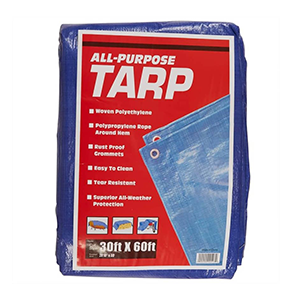
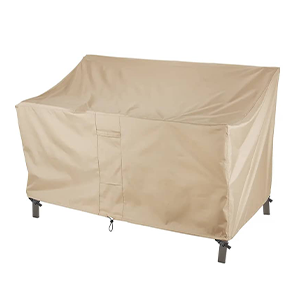
Begin exterior prep by protecting furniture, air conditioners, grills, and spigots with durable outdoor covers and tarps. Place couch and chair cushions inside, and empty any residual water from outdoor spigots as well as automatic lawn sprinklers. To avoid burst pipes in sprinkler lines, fill system piping with antifreeze. Check exterior lighting fixtures for worn wiring or burnt-out bulbs, and consider switching to energy-saving LED bulbs. If your yard features a pool, drain and cover it securely. Installing outdoor covers on air conditioning units also prevents unwanted drafts from entering your living spaces.
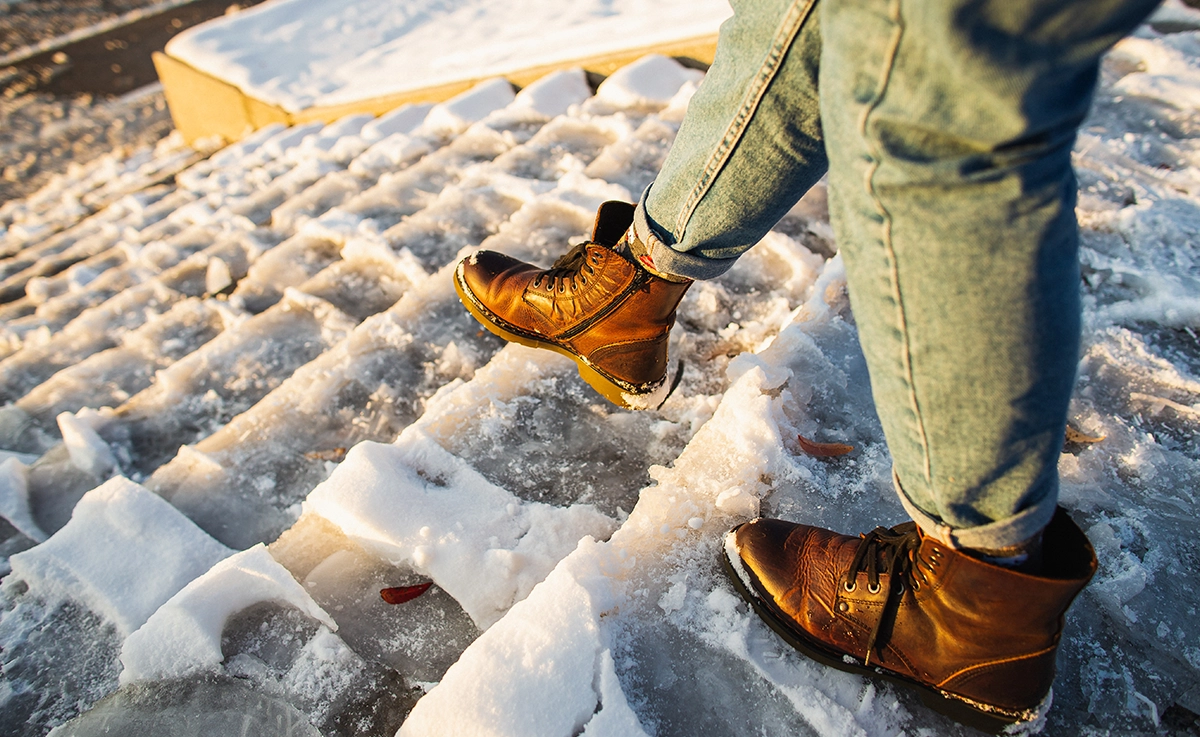
Avoid the Nasty Spill
Failing to clear snow from your driveway, porch, stairs, and walkways can quickly create a hazardous situation. Slipping on ice often leads to painful injuries that no one wants to experience. Over time, snow can melt during warmer daytime hours and freeze into solid ice overnight, or become packed down into a layer that is far more difficult to clear. To maintain a safe, ice-free environment for family and visitors, shovel snow as soon as it stops falling and apply ice melt. When working with concrete surfaces, choose a salt-free ice melt to prevent damaging the material. If you are looking for an eco-friendly option that minimizes pollution concerns, calcium chloride ice melt serves as an effective alternative.
Be Proactive, Be Prepared
Taking proactive steps to winterize your home is a smart way to ensure a warm, comfortable, and energy-efficient season. Implementing these key strategies helps maintain a cozy environment, lowers heating expenses, and protects against the health and safety risks associated with severe cold. A properly winterized property not only keeps your family comfortable all winter long, but it also promotes a more sustainable, eco-friendly way of living. Preparing your home for winter doesn’t have to be expensive—stop by your local Ocean State Job Lot store, the home of Crazy Deals®, to gear up for the cold with exceptional savings. And don’t forget to use those Crazy Deal® Gift Cards to get all the things you need to get these tasks done!